





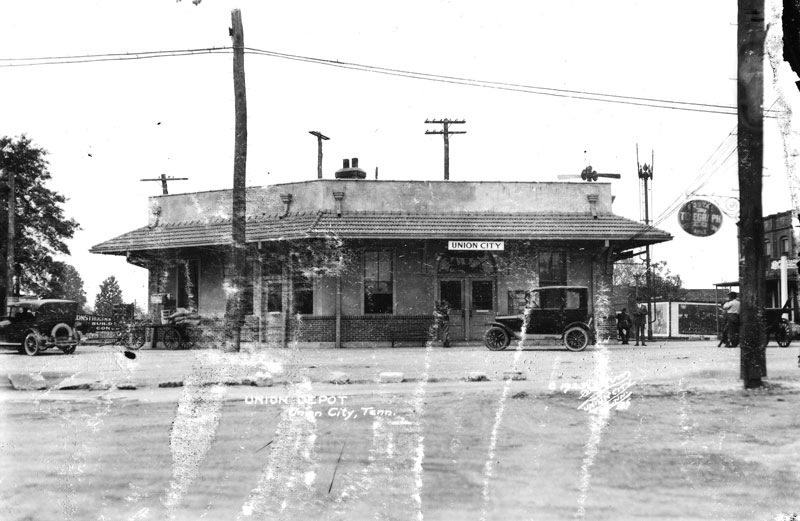
When we celebrated our centennial anniversary in 2023, we had the opportunity to reflect on how far Obion County had come in a single century. By then, our community was home to a diverse mix of businesses from small, family-owned shops to major manufacturers and service providers serving customers around the world.
Many of these employers would have been nearly unimaginable in 1923, but their presence was rooted in the same mission that formed the Chamber in the first place: to recruit business, support growth, and strengthen the economic position of Obion County.
Before the Chamber was established, Obion County and much of our region were often passed over in favor of communities perceived as more developed. When Charles G. Tomerlin asked company executives in New York and Washington what held our community back, their answers sounded remarkably similar to the priorities of modern economic development: stronger educational facilities, better recreation and parks, more retail and dining options, opportunities for women in the workforce, an active downtown business district, and a higher overall quality of life. Above all, they wanted to see a community that believed in itself. Rather than being discouraged, Tomerlin treated that list as a challenge and a roadmap for moving Obion County forward.
The turning point came in 1923, when Brown Shoe Company expressed interest in locating a factory in Union City. The company presented two conditions: the community would need to raise $100,000 to build the facility, and it would need to form an organized group dedicated to improving the area’s reputation for industry. Local leaders worked quickly, rallied support, raised the necessary capital, and formally established what became the Obion County Chamber of Commerce. Brown Shoe Company became the first employer we officially recruited to the area, marking the beginning of a new era for Obion County’s industrial landscape.
That first factory, located at Gibbs and Cheatham Streets, became a symbol of community pride. Its grand opening drew an estimated 10,000 people, including Tennessee Governor Austin Peay, and the day was filled with celebrations multiple celebrations that included a parade in the morning, a baseball game in the afternoon, an evening picture show on the second floor of the factory, and several other events scattered throughout the day. The company operated there for 43 years, surviving the Great Depression before relocating to Everett Industrial Park in 1966. The original building remained a landmark until its demolition in 2013.
History has long credited Robert H. Rust, who headed the drive that raised well over their initial amount, and the agreement with Brown Shoe Company as the catalyst that kickstarted modern industrial growth in Obion County. In the decades that followed, our Chamber continued to carry out the mission we were founded upon — recruiting businesses, expanding economic opportunity, strengthening workforce development, and supporting employers of all sizes. By the time we reached our centennial in 2023, many of the items that once appeared on that early list of “barriers” had become community strengths, from expanded educational offerings and recreational assets to diversified industry, business districts, and a growing sense of civic pride.
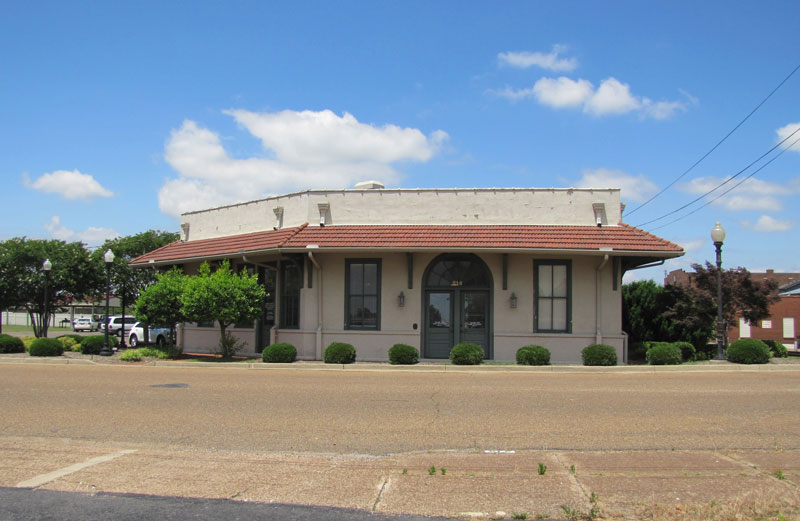
Photo from 2014
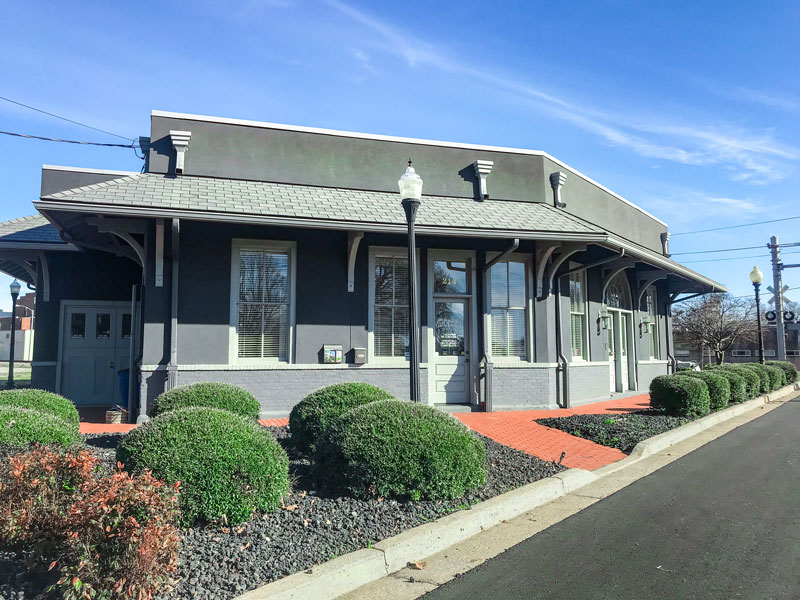
Photo from 2023
Looking back on our first 100 years, we recognized both the progress that had been made and the people who made it possible. Our story was not just one of industry and investment, but one of collaboration, resilience, and belief in what our community could become. While the economic landscape will continue to evolve, the foundation laid in 1923 positioned Obion County to enter its second century ready to grow, attract, and compete and be proud of how far we had already come.
Today, the Chamber office is located in the historic Train Depot building on Church Street. The original Church Street railroad depot was destroyed in 1862 during the Civil War. It was reconstructed following the war and extended across what is now Church Street. It was demolished in 1922 to make room for the current depot. The last passenger train stopped at the depot on October 14, 1958. In the early 1990’s, one page of Obion County railroad history was preserved with the total renovation of the depot by the Obion County Chamber of Commerce.
Rachael McKinney
02/09/2026


